I've been less active on this blog than I'd prefer for many months now (such is overworked adult life vs. the joys of unpaid criticism), but it didn't dawn on me how much I'd let things slide until I realized I hadn't even provided linkage to the long-in-the-works Best of the 1990s list I spent several hundred hours researching over the course of the last year or so for Slant Magazine.
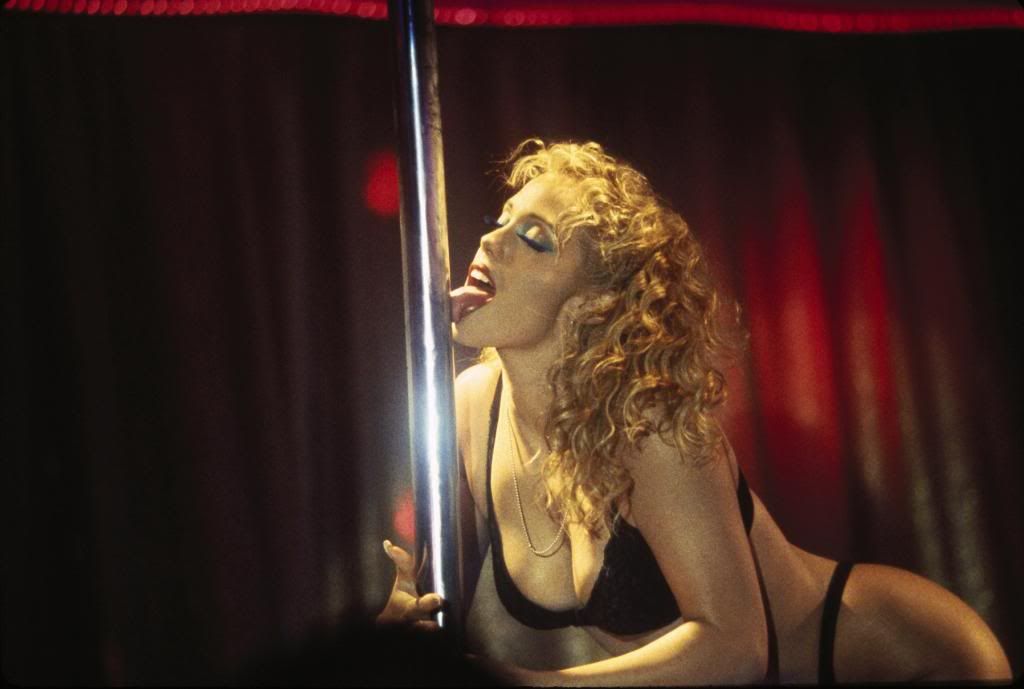
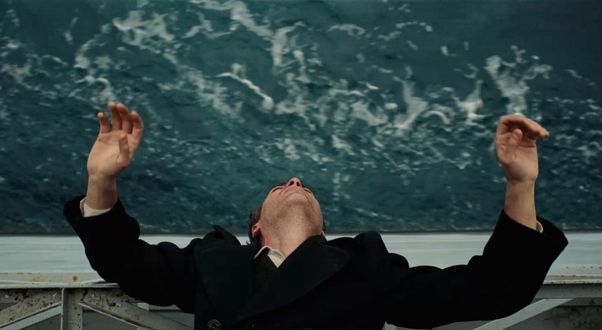
Clicking through the photo of Nomi Malone (of the inimitable Showgirls, my #2 choice for the decade, yes, I'm serious) will take you to that feature, while Freddy Quell, below, will see you to our more recently published Best of 2012 poll, the first of Slant's yearly features I've had the privilege of contributing to. I wrote some words on Lincoln. (And for what it's worth, both Zero Dark Thirty and Django Unchained were sadly amongst my blind spots at the time my vote was submitted.)
As I begin to lose my mind over the next two weeks catching up on as many films as possible, here is the cream that has to date risen to the top. If you're wondering why a certain title I've professed to love isn't here, let that indicate just how good this year has been so far. With new films by Kathryn Bigelow and Quentin Tarantino and Peter Jackson, among others, just around the corner, I can barely contain my excitement.
Beyond the Black Rainbow (dir. Panos Cosmatos)
The Deep Blue Sea (dir. Terence Davies)
Dredd (dir. Pete Travis)
The Innkeepers (dir. Ti West)
The Kid with a Bike (dir. Jean-Pierre Dardenne, Luc Dardenne)
Killer Joe (dir. William Friedkin)
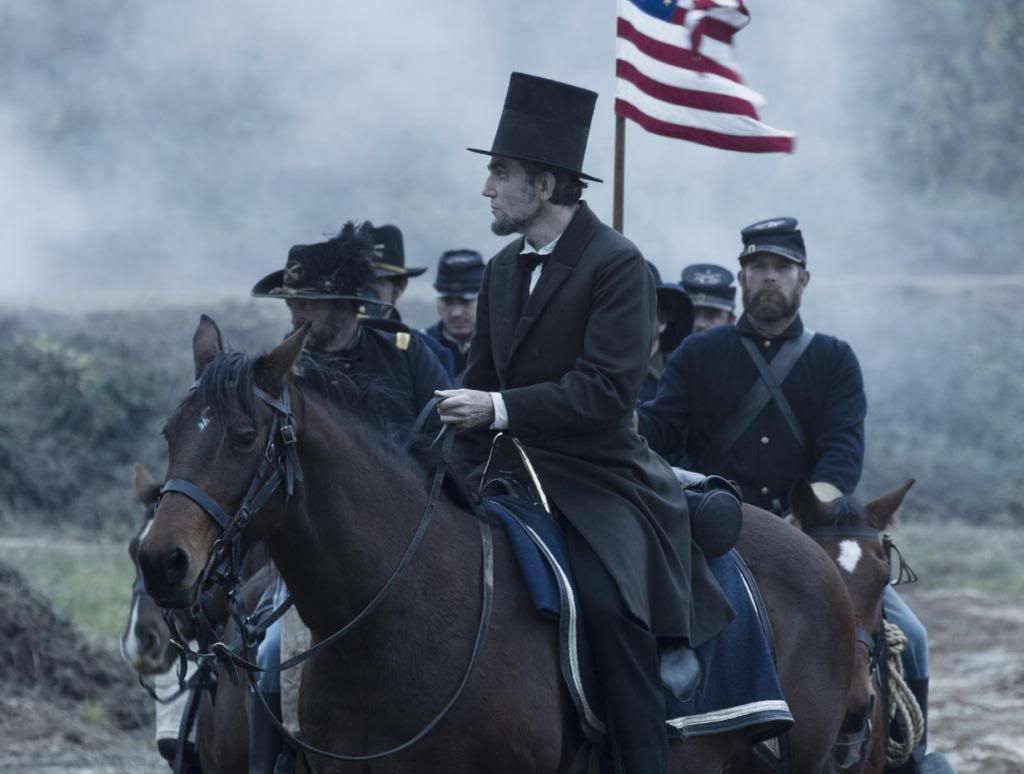
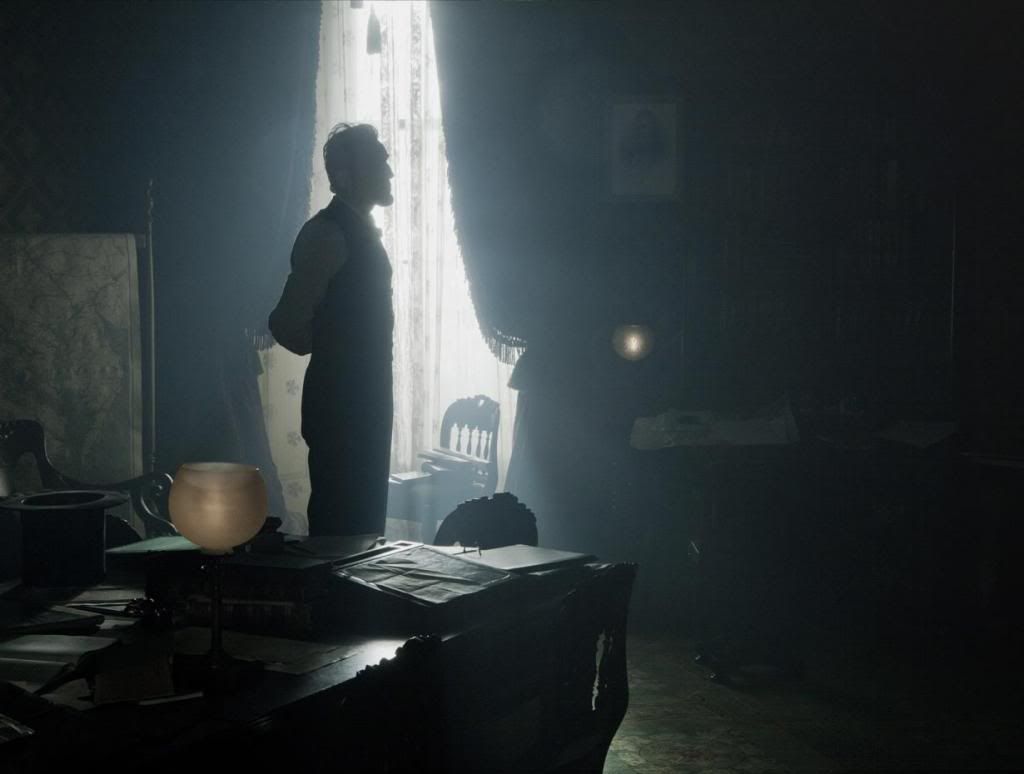
Lincoln (dir. Steven Spielberg)
The Master (dir. Paul Thomas Anderson)
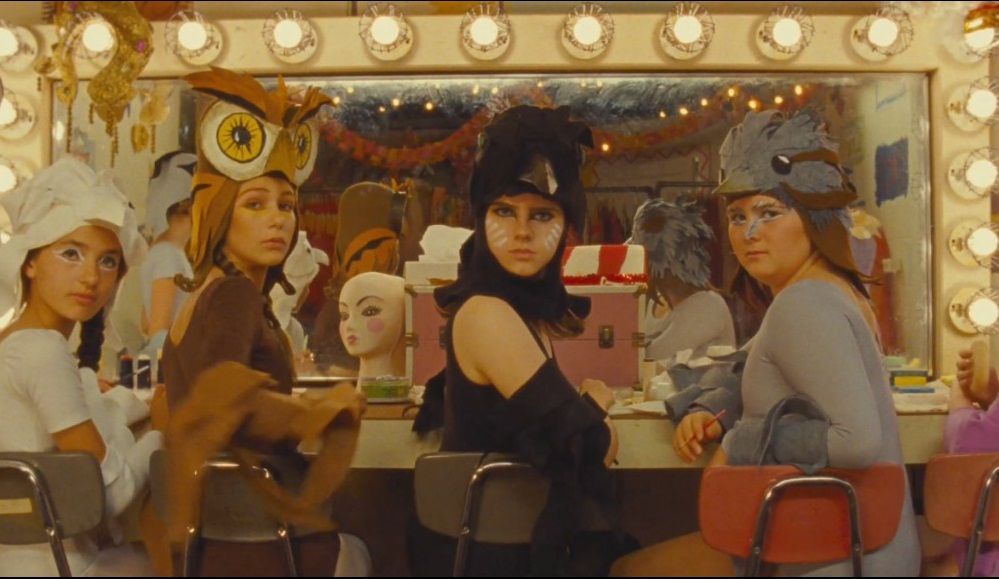
Moonrise Kingdom (dir. Wes Anderson)
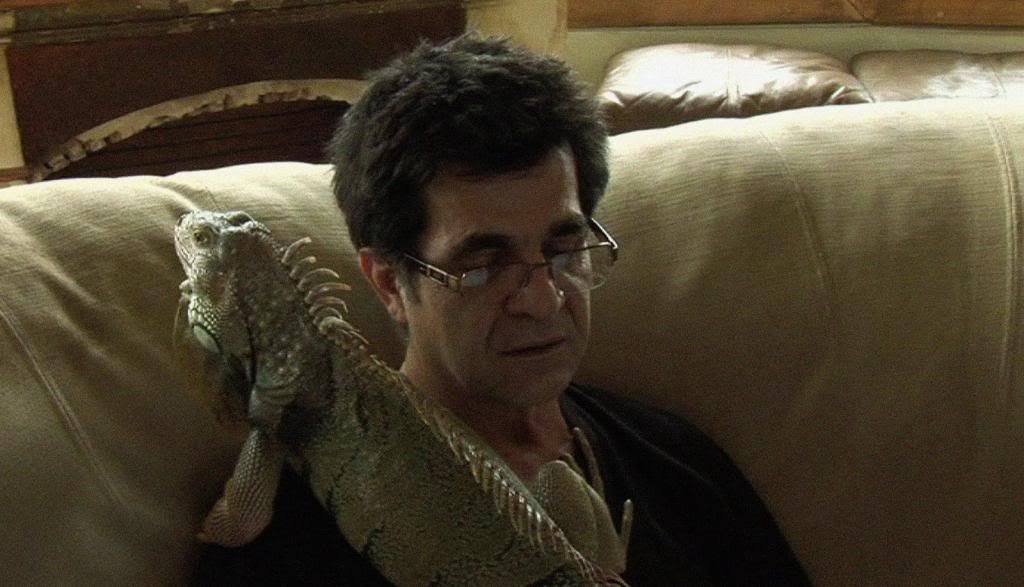
This Is Not a Film (dir. Mojtaba Mirtahmasb, Jafar Panahi)
Those who know me well can confirm that I'm by nature averse to conflict, and if I had to make a list of my biggest character flaws, it would be a guaranteed contender for number one. It's a reflex that roots itself in all manner of circumstance to nearly equal disastrous effect. Trying to look inside oneself and discover where one's behavioral traits come from is to get lost in the vortex of memories, nurture, and nature, and more, and through much I've learned (mostly recently, and perhaps only through negative reinforcement) that too much self-awareness is usually a bad thing and the only way to progress, sometimes, is to do exactly what you absolutely do not want to do, however you were raised be damned. Passive aggression is like a bad drug from which one only experiences withdrawal, and in my life experience, the majority of the people who are victim to it are the ones who needn't be so apologetic in the first place. Simply put, we're too fucking nice, which has a way of being cruel in the long run. I've a ways to go yet as far as my own standards and expectations are concerned, but it's already been a most empowering thing to kick obsessive self-effation to the curb.
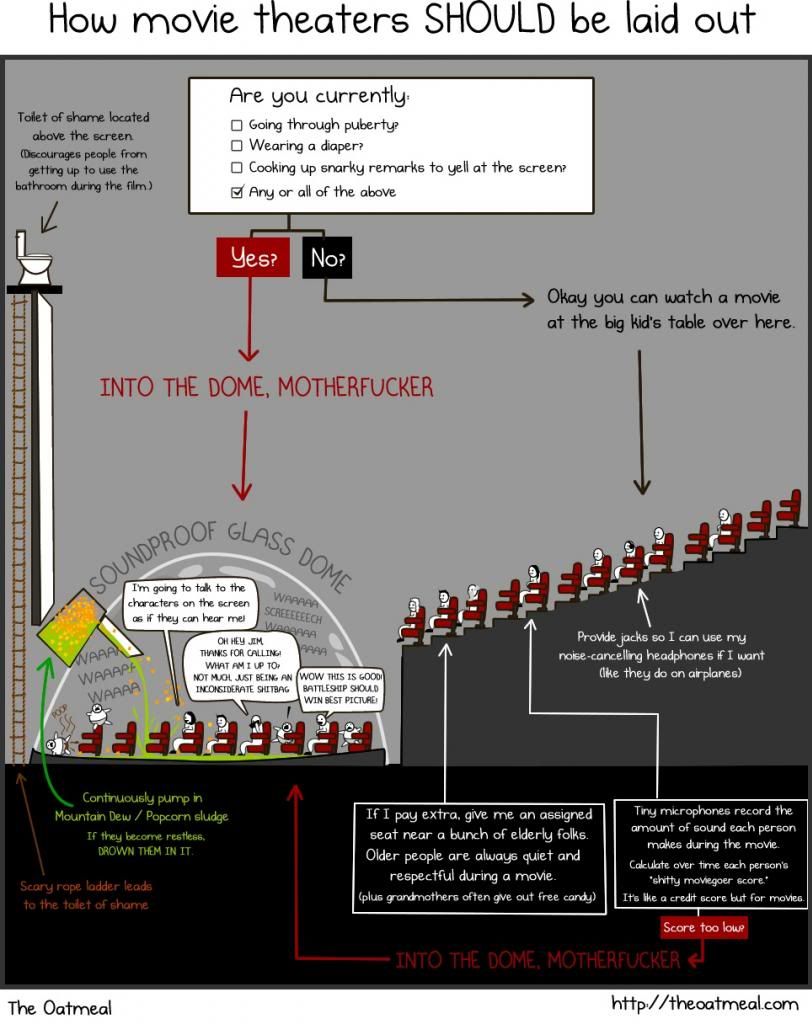
Which is a very long-winded way of introducing the topic of dealing with rude people in movie theaters. These kinds of folks weren't unbeknownst to me growing up, when I certainly went to the movies less but still with regular frequency, but as of late (say, the past three or four years) has been reaching nearly epidemic levels. There remains guilt for a few of my offenses: the cell phone I forgot to turn off before The King's Speech, the outward mocking of films I felt deserved such intrusions, etc. Although I'm not yet old enough to be considered a worthy applicant for the title of Film Critic by a certain New York writer who himself aspires to the rank of the gadfly, I feel much older, and yet my eyes are open and I cannot simply chalk this up to the younger generations, although a significant chunk of the pie chart they almost certainly compromise.
Need I even mention the rise of cell phones, what with those evil little screens popping up during everything from Skyfall to the one-day rerelease of The Godfather. I can't pretend to have been perfect in this, or nearly any other, regard, but I make it a point to either step out if my phone beckons or reach far enough under an adjacent seat so as to extinguish the glow from patrons behind me, even if it's just a matter of checking the time. Lax theater owners who tolerate this nonsense because, well, they depend on priveledged (or financially shortsighted) kids to pay the bills and haven't thus far minded (or minded enough) their scaring away of other demographics should also be held accountable. I'm not intending on exploring this topic for ultimate causes and solutions; I'm just trying to justify the broad conclusion that there seem to be more assholes in the world now than a few years ago without seeming like one myself.
The latest example of this rampant assholism came this past Saturday evening at a 10:20 pm showing of Lincoln, my second time seeing the film, currently in the running as my favorite in a very competitive year. My brother Alex, who had not seen it yet, was along for the ride. For whatever reason, I was not excessively bothered by the frequent, semi-hushed chatters taking place a row down from us on the opposite side of the moderately sized theater, but I was rather persistently aware of them (and they effect they were having on my brother) enough to both regret not saying anything about it up front and appreciate the theater employee who came in to re-announce the no cell phone/talking policy about halfway through the film, with reassurance that offenders would be escorted out. For most of the rest of the duration of the film, they as-of-yet-unseen offenders stayed within the lines of acceptable theater behavior. Most.
As I've discussed in the past, the end of a movie is usually the best part, or most important, and especially so in a good one, and the final five or six minutes of Lincoln is already very close to my heart. And so it was with volcanic heat that my rage escalated as the same pair of ignoramuses began talking, quite constantly and almost casually and with no awareness or consideration of their surroundings whatsoever during those final five or six minutes, and during which time my brother was noticably distracted. When the film was over and the credits were rolling, we looked at each other, and then at them, like velociraptors might silently communicate whilst planning an attack. What follows is a recreation of the exchange that followed. As you read this, imagine the offenders in question as pudgy forty or fiftysomethings who might give Hobbits a bad name by mere association (the lights were still dimmed so I didn't get a closer reading on their features). Minus my initiating comments and the small chorus of praise, this series of events was relayed to me by my brother, though I overheard bits and pieces.
Me (across about fifteen feet and so the bulk of the auditorium could hear): Next time stay at home in front of the stupid box if you can't keep you mouth shut.
Several other people throughout the theater: Agreed! Yes! Thank you!
Male sub-Hobbit: Fuck you. (Or some derivative.)
Alex: Excuse me?
Male sub-Hobbit: You're excused.
Alex: No, excuse me, because I'm his brother and I feel the same way.
Male sub-Hobbit: You probably voted for Obama.
I suppose it bears mentioning that, while typing this at the public library, someone's cell phone not only went off, but they answered it, with zero response from the librarians on duty, despite it being expressly forbidden. Like the three offenders at a recent screening of Trouble with the Curve, this person was also elderly. This reinforces my developing thesis that perhaps it isn't just a greater abundance of assholes, but the greater tolerance of their behavior. I'm very much liberal (go figure), and usually willing to give people the benefit of the doubt and second and third chances and whatnot, but this is not a step in the right direction.
I'm don't even want to begin unpacking the brainless political jab this doofus managed to come up with (see the Season 1 episode of Louie, "Bully," for a similarly simpleminded partisan association), as I'll have to first get into the disgrace that is our current two party system before all manner of basic courteosy and etiquette that should smack of common sense to, I hope, the majority of people reading this. The fact that this absurd exchange took place during a film about a master of public and political relations underscores a certain elegant brutality in the whole affair.
The conscious effort to engage conflict has been a positive force in my life of late, although not always. A close friend of mine who thought I wouldn't mind her friends talking during a late-night showing of Dracula (a movie I'm not even particularly fond of) was taken aback when I essentially lost it after the screening (I'm amazed I didn't swear, although I did say that I wanted to - not that I would - punch the primary offender in the mouth), the experience not much aided by the fact that I loathed her best friend from the first time I met her and thus found her infantile quips and impatient foot tapping and scab-picking all the more infuriating for interrupting a movie that depends on silence to work at all. Similarly, I probably overreacted when I yelled at the young girl (and her enabling mother) who was on her cell phone throughout, and then constantly during the last few minutes, of Titanic (which I'd never seen theatrically before its 3D re-release), or the enabling father who allowed his daughter to use her phone throughout most of The Wizard of Oz, etc. But I remain convinced it's better than not reacting at all.
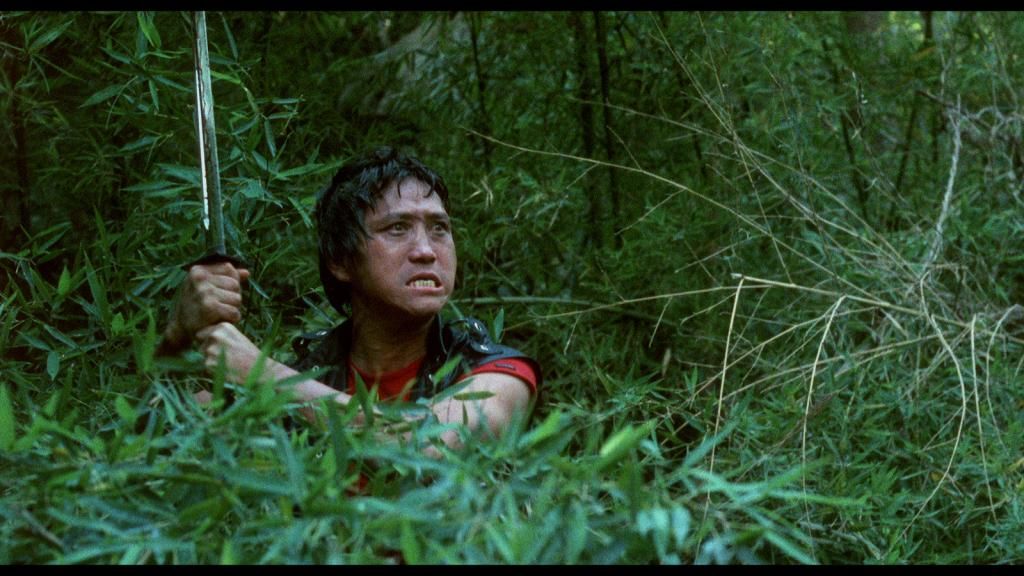
Call it a guilty pleasure, but the combination of awkward line readings, histrionic dialogue, vague plotting, nonsensical montages, feverishly choreographed action sequences, garish makeup, and obviously lip-synched musical numbers quickly finds a unique rhythm and energy that manages to bypass typical action-movie expectations (even those for Hollywood trash) and instead delivers something far more personable, almost abstract in nature, embracing the absurd with infectious sincerity.
If I had reviewed The Best Exotic Marigold Hotel after my first viewing of the film, it'd have been mostly a hostile defense against the audience with which I experienced it. The good-natured charms of seeing the uprooted elderly as if they young again were rendered insufferable in the midst of an audience that was likely 2/3 homophobic (judging from what they laughed at, and how), and a streamlined interpretation of a Robert Altman web of characters didn’t help matters to say the least. Shaking the experience off, I later found an admittedly somewhat glib but infectiously earnest crowd-pleaser about the virtues of acceptance, getting old and acting on the impulses of love. Sincerity and heart overcome the film’s generally wanting artistry (John Madden seems to work well with actors, but I can’t help but wonder about his competence elsewhere), and if it’s portrayal of indigenous archetypes is seen as more widely offensive than this relatively privileged white guy is capable of discerning, I would offer as evidence to an absence of malice the frequency with which the script reinforces the notion that it’s the foreigners who are out of line, despite how frustrating it is to see the talented Dev Patel straining against the chains of typecasting. The sunshiny screenplay is tidier than this kind of wide-net storytelling can usually get away with, but then, rare is the film that manages the same with horny, dancing old men. The cast (a virtually greatest hits of modern British talent) elevates the proceedings more than they likely deserve, but even at its most arm-twistingly obvious, The Best Exotic Marigold Hotel ultimately ended up leaving me somewhere close to smitten. It’s affecting, like something you can cuddle up to, even if you forget all about it later on.
The foul mouth of a boozing, smoking, purportedly all-things-unprintable Teddy bear come to unnatural life is an effort at R-rated boundary pushing whose success or failure is likely to fall in line with individual viewers' opinions concerning whether or not creator Seth MacFarlane's commercially successful television show Family Guy should have been renewed after its initial cancellation. Although not without moments of inspiration and, arguably, comedic genius (Wallace Shawn's cameo in "Sibling Rivalry" comes to mind), the increasingly diminishing returns of that series are also evident in this poor attempt at subversive raunch, one most frequently defeated by an insistence on meaningless hot topics references and outright nasty cultural Easter eggs, few of which suggest that anything other than opportunistic nihilism is driving the proceedings' annoyingly insistent "look at me!" pandering. Only a protracted fight in a motel room between the titular fuzzball and a well-cast Mark Wahlberg begins to tap into the absurd potential of the concept; the rest amounts to middle school toilet humor with studio backing, an adult vocabulary, and a suspiciously generous affinity for Flash Gordon that fails to translates to the rest of MacFarlane's unimaginative pot shots.
Though arguably unnecessary as far as reboots go (coming just five years after Spider-Man 3's fallout), The Amazing Spider-Man is as much a loose remake of the 2002 blockbuster as it is a virtual carbon copy of every other superhero origins story to grace the multiplex screens this past decade. Director Marc Webb ((500) Days of Summer) brings a levity and swagger to the proceedings that manages to avoid direct competition with its predecessor, and it'd be unfair to slander it simply on the basis of existing as a result of essentially greedy business practices. (I, for one, was livid when the plug was first pulled on Spider-Man 4, but so it goes.) That said, those films' strengths can't help but highlight this one's relative shortcomings. The webslinging is technically better looking this time around (a decade of CGI advancements will do that), but Webb's visuals simply can't compare to previous helmer Sam Raimi's knack for crafting the iconic (although Peter's use of his web before a first kiss counts as a small stroke of genius); whenever the film isn't being kinetic, its compositions tend to register as flaccid and monotonous. Similarly, while I saw the film in 2D, it seems poorly suited for the 3D mandate that ultimately caused Raimi to walk. Whatever the dimension, the action scenes sporadically want for a sense of continuity (the subway scene in particular is an editorial mess), whether for lack of proper coverage or simply a poor grasping of action movie mechanics. Where the film gets its energy, then, is in the performances: Andrew Garfield (The Social Network) as an appropriately cocky, sympathetic Peter Parker/Spidey and Emma Stone (The Help) as love interest Gwen Stacy make for a delightful leading duo with enough chemistry to make one hope we get to see them share screen time together under different circumstances. Amongst the supporting players, Martin Sheen is a standout in the pivotal role of Uncle Ben. Webb's talent for capturing idiosyncratic moments (the alarm clock bit is tops) almost compensates for the numerous deficiencies of the script, amongst them Peter's hard-to-buy, effortless infiltration of a high security lab, and an overall lack of narrative friction. There's not much in the way of an ebb or flow to the drama, and while it's a breezy and enjoyable two hours, unlike the best of this still burgeoning genre, there's almost nothing to take home with you after the lights go up.