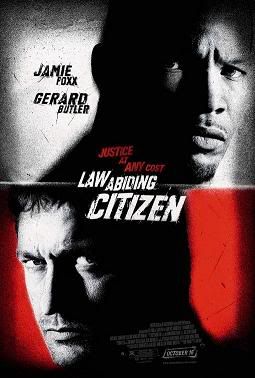
 While preferably to the typical Saw entry by about a five-to-one ratio, Law Abiding Citizen still isn't any good. Drab and borderline lethargic from virtually any cinematic standpoint (only the climactic image, which involves a character in a locked cell, offers something in the way of lyrical creativity), the most fascinating aspect of this modest train wreck is that anyone decided to give so embarrassingly nonsensical a script the green light. At the outset, Clyde Shelton (Gerard Butler) is the titular character: a loving husband and father who, after the tragic murder of his family, can only find comfort in the thought that the guilty will receive their due punishment at the hands of the state. Alas, when D.A. Nick Rice (Jamie Foxx) strikes a deal with the assailant in exchange for testimony on a much bigger fish, Shelton snaps and spends the next handful of years planning his revenge. So commences a string of murders beginning with the systematic torture and dismemberment of the sicko who killed Shelton's family, the intended and heavy-handed lesson being that the constitutional rights of known (but not convicted) killers should be seen as subservient to the lives of the innocent still in harm's way, with Shelton ultimately offering himself up for theoretical sacrifice in something of an inversion to Seven's harrowing climax. Even without taking into consideration the relatively black and white outlook on justice herein, Law Abiding Citizen is about the last argument one would want to seriously represent such a cause; as a moral thesis, it amounts to little more than heavy-lifting lip service, while the flaunting of so much purported violence (Shelton sends a videotape of the aforementioned dismemberment to Rice's home, etc.) confirms the film's interest in physical brutality over moral scrutiny. Seemingly able to orchestrate violent events from behind bars in a blatant manipulation of the legal system (made only to subsequently call out its flaws), Shelton's serpentine plot against the government is only sparsely made believable; at least Christopher Nolan's Joker seemed capable of pulling all the strings necessary to put the squeeze on an entire city, even if the particulars were never laid out in the open. As braindead entertainment, Citizen proves to be camp of the inadvertent kind; as philosophy, it's pure mistrial.

Nov 24, 2009
Law Abiding Citizen (2009): C-
While preferably to the typical Saw entry by about a five-to-one ratio, Law Abiding Citizen still isn't any good. Drab and borderline lethargic from virtually any cinematic standpoint (only the climactic image, which involves a character in a locked cell, offers something in the way of lyrical creativity), the most fascinating aspect of this modest train wreck is that anyone decided to give so embarrassingly nonsensical a script the green light. At the outset, Clyde Shelton (Gerard Butler) is the titular character: a loving husband and father who, after the tragic murder of his family, can only find comfort in the thought that the guilty will receive their due punishment at the hands of the state. Alas, when D.A. Nick Rice (Jamie Foxx) strikes a deal with the assailant in exchange for testimony on a much bigger fish, Shelton snaps and spends the next handful of years planning his revenge. So commences a string of murders beginning with the systematic torture and dismemberment of the sicko who killed Shelton's family, the intended and heavy-handed lesson being that the constitutional rights of known (but not convicted) killers should be seen as subservient to the lives of the innocent still in harm's way, with Shelton ultimately offering himself up for theoretical sacrifice in something of an inversion to Seven's harrowing climax. Even without taking into consideration the relatively black and white outlook on justice herein, Law Abiding Citizen is about the last argument one would want to seriously represent such a cause; as a moral thesis, it amounts to little more than heavy-lifting lip service, while the flaunting of so much purported violence (Shelton sends a videotape of the aforementioned dismemberment to Rice's home, etc.) confirms the film's interest in physical brutality over moral scrutiny. Seemingly able to orchestrate violent events from behind bars in a blatant manipulation of the legal system (made only to subsequently call out its flaws), Shelton's serpentine plot against the government is only sparsely made believable; at least Christopher Nolan's Joker seemed capable of pulling all the strings necessary to put the squeeze on an entire city, even if the particulars were never laid out in the open. As braindead entertainment, Citizen proves to be camp of the inadvertent kind; as philosophy, it's pure mistrial.

Nov 23, 2009
Surrogates (2009): A-
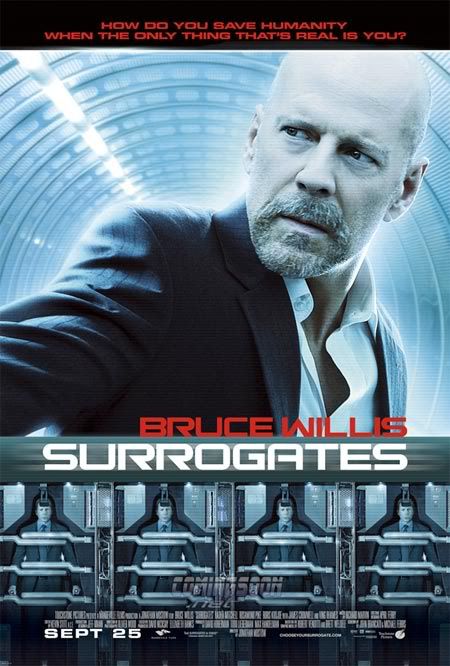 Star Trek might be the year's sci-fi rage, and while a fine space opera it may be, that it holds the upper hand amidst the competition only highlights how the exquisite work of Jonothan Mostow seems fated to go unappreciated in its time. With the WWII fable U-571 the only blemish on his resume (and that particular film's only flaw being the fact that it isn't great), his genre craftsmanship - while never as rapturously perfect as his predecessors (John Carpenter, James Cameron, Blade Runner-era Ridley Scott) - is nevertheless far and away from the typical studio worker. Surrogates joins Spielberg's sci-fi contributions and Michael Winterbottom's Code 46 as one of the defining dystopic visions of the decade, eschewing special effects glamour for a well-worn world in which the decidedly alien is an accepted given. The deliberate banality employed in the presentation of progressive robotic technologies renders the scenario with exponentially greater moral scrutiny and, concurrently, a creepy disconnection from human reality. As unfolds via an opening newsreel montage, the near future holds for us the development and mass social acceptance of surrogates: synthetic, humanoid robots used by the populace for their daily goings-on while their living flesh-and-blood selves pilot them from home; small groups of naturalist humans have quartered themselves off from the larger world and maintain an uneasy peace treaty (the plot centers around a terrorist weapon capable of destroying a surrogate in such a way that the host, too, is terminated; unlike those plugged into The Matrix, these things are supposed to be safeguarded here). Mostow's big budget B-movie draws exquisite everyman performances from the cast (in addition to eerie, necessarily artless performances as their characters' respective surrogates); Bruce Willis, as a cop not entirely unlike Blade Runner's Harrison Ford, is as flesh-and-blood empathetic as any role he's helmed since Die Hard. Scaled as if to suggest a budget even smaller than the actual, Surrogates seems less like a 21st Century would-be blockbuster than a lost 80's relic only just rediscovered. Either way, we're lucky to have it.
Oct 18, 2009
Halloween II (2009): B
 The good news about Rob Zombie’s Halloween II (a sequel to the remake, not a remake of the sequel) is that it amplifies the strengths of its predecessor, a film I lightly panned upon first release, but have since come to appreciate more despite its shortcomings. The bad news, then, is that those shortcomings have also been amplified. Like the original Halloween II, Zombie’s film picks up the torch just after the conclusion of its predecessors October 31st bloodbath, here to detail the escape of the Michael Myers as his seemingly deceased body is transported from the scene of the crime. Approximately one year later, Laurie (Michael’s little sister, still unaware of her familial roots) is still trying to cope with the loss of her adoptive parents, while Dr. Loomis (Malcolm McDowell) is distastefully promoting his published account of the Myers killings. As the monstrously sized Myers (Tyler Mane) continues to leave a trial of human destruction, these two threads find themselves on a collision course that culminates on (you guessed it) Halloween night. First, the good: this film might be the most artfully rendered slasher sequel ever made, each slaughter portrayed with a revelatory intensity that suggests far more carnage than is shown outright, the jagged camerawork and muddled visuals evoking an existential meeting between predator and prey. As one overzealous fan of Dr. Loomis states it, Myers "eats at the core of the victims soul”.
Alas, Zombie’s dark poetry only goes so far without more substantive justification, as the dreamlike images of Myer’s mother (Sheri Moon Zombie) and his childhood self (Chase Wright Vanek, replacing Daeg Faerch) don’t pry deeper into his pitiless, carnivorous psyche so much as they flaunt said perversions (a ravishing sequence shot in the vein of silent-era German expressionism ultimately proves the tip of a nonexistent psychological iceberg). Similarly unsubstantiated is the subplot of Loomis’ controversial book, which has garnered him death threats for the purported exploitation of Myers victims (of which Loomis had already nearly joined the ranks); save for the doctor’s own course personality and the flaunted gullibility of a media-saturated audience, this narrative thread ceases exploration at the surface level. Maybe that’s the point – that we’re droll cattle unwittingly lining up for the slaughter – but even if one is to embrace it from so nihilistic a standpoint doesn’t better the flat execution (all potential for satire croaks upon the utterance of an Austin Powers riff that’s been gathering dust for over a decade). The emotional anchor provided by the always-great Brad Dourif proves something of a saving grace during the final act, but it's not enough to correct the entirety of the preceding aimlessness. Let’s hope that Zombie’s next project cuts the filler and jettisons him back to Devil’s Rejects levels of greatness.
Oct 17, 2009
Dead Snow (2009): B
 With the possible exception of Planet Terror, Dead Snow might be the dorkiest zombie film ever made, and I say that in praise. While the pre-credits opening – a hilariously self-aware, subversive chase scene scored to “In the Hall of the Mountain King” – stands as an easy comedic high point, that the rest of the movie holds up in comparison further underscores the overall stability and sly invention of the genre-riffing glee that is to follow. One of the few existing members of the Nazi zombie subgenre, this otherwise traditional tale revels in both the archetypal and schematic even as its violent means of dispatching both villains and protagonists proves more unpredictable than not. A group of medical students – played by an able cast, wisely straight-faced against the surrounding absurdity – finds themselves under attack during a weekend getaway at an isolated cabin deep in the snow covered mountains of Norway. Though well-equipped with movie-centric knowledge on how to survive such a confrontation – provided via a cinephiliac character whose T-shirt of choice proves an ominous bit of foreshadowing (all that’s missing is a baby) – they prove too heavily outnumbered by the squadron of the undead (which still operates according to rank, a humorous touch sadly not maximized to further effect) to simply stay put. Modestly ambitious and highly successfully within its chosen territory, Dead Snow proves to be one of the punchiest horror flicks in recent memory and one of the more capable within its low-budget constraints; the silent, lifeless landscapes make for a chilling tension-builder between each over-the-top set piece, while a memorable third-act shot of a character trapped beneath the snow is more nightmarishly claustrophobic than anything in The Descent. For the title of Best Zombie Comedy of 2009, Zombieland has a worthy competitor.
Jul 15, 2009
Harry Potter and the Half-Blood Prince (2009): B
 Harry Potter films - such as they must exist, given their tentpole status for Warner Brothers - seem to require certain concessions from everyone outside the core target of Fans of the Books. Rather than attempting immersion on purely cinematic levels, a consideration of these films seems fair only when hinged on such "under the circumstances" attributes; only the bold Alfonso Cuaron totally broke free from studio oversight (or at least felt like he did) in Prisoner of Azkaban, the third film. Now three films worth of aesthetic recoil later, The Half-Blood Prince comes to us encumbered by similar issues of narrative balance as the majority of its predecessors - what matters to making this a good film versus what matters in selling this to a zealot-like audience? Personally, I prefer coming to these films as I always have - fan of the books, but with only faint memories of reading them (I've only read the first more than once). Tellingly, the best of the films have been those that made me feel least like I was re-reading their source material on the screen, and so I found Prince's almost whispy, broad-stroke handling of the plot more satisfying in the manner of pure cinema than that of a tedious connecting of the dots. Not every decision made in streamlining this story was wise, however - the climax is foreshadowed for virtually the entire film, first breathtakingly subtle (in an opening pre-title scene with Harry and Dumbledore) , but only to go directly into thuddening blatancy. Visual and verbal wit reigns as the special of the day, however (yes, this is how some high schoolers talk), while thoughtful compositions, in their vast, almost embracing depth, suggest a silent film made today. The effects are less annoyingly attention-grabbing than I'd come to anticipate - instead, they're more texturally banal so as to ground the proceedings in a believable habitat in which magic is a simple fact of life (as opposed to a box office draw). Were the film more consistently awe-inspiring (a madhouse chase through a wheat field suggests the Days of Heaven climax by way of Lynch), or the cast but a sliver more emotionally game (while quite honed and precise in their ever-deepening displays, these veterans nevertheless seem a little tired, even if such is otherwise appropriate given the long-term status of their characters' plights), and this might have been the most sterling Potter entry to date. Such as it is at first glance, it comes close.
Jul 3, 2009
Public Enemies (2009): A-
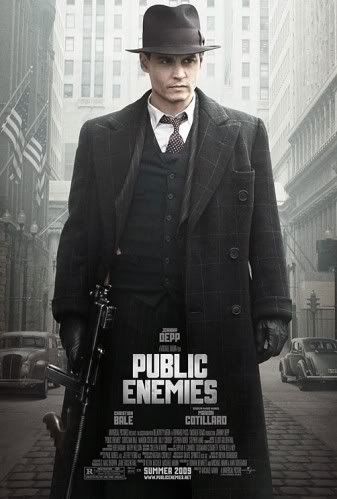 If Miami Vice was Michael Mann's freestyle celebration of identity and the need for spiritual release, Public Enemies is that work's paralleling, appropriately somber meditation on mortality - a harrowing rattle from its opening scenes of shackled prisoners marching in unison through the subsequent, episodic exploits in which legendary gangster John Dillinger and his cohorts fall to the determined lawmen in pursuit. Comparable to Heat's cop/criminal plot structure in surface details only, Enemies' primary characters aren't defined so much by existential hang-ups as they are by hunger for life. "I want it all, right now" tells Dillinger (Johnny Depp) after wooing lower class beauty Billie Frechette (Marion Cottilard); Christian Bale, effectively correcting his egotistical turn in Terminator Salvation, siphers off any trace of movie star charisma with exquisite understatedness as FBI agent Melvin Purvis, head of the team assigned to capture Dillinger. Though less ravishing than Vice, Public Enemies again finds Mann forging new ground in the digital arts; heavy grain emphasizes an anti-romantic view of material typically overshadowed by its own cinematic mythology, a subversive choice that comes full circle when Dillinger attends a Clarke Gable gangster film on the night of his death. Public Enemies diminishes one's expected visceral distance - every gunshot and bloodstain bears the heft of an unfolding present tense, none more cage-rattling than the chilling image of Baby Face Nelson (Stephen Graham) firing erratically as bullets riddle his chest, collapsing only to exhale a final, frosty breath.
Jul 2, 2009
The On-Line Review Presents: The 50 Greatest Films
Iain Stott of The On-Line Review is asking critics and film-lovers to compile lists of their choices for the "fifty greatest films". For my own purposes, I made this as much of a balance as possible between personal favorites and - as near as anyone can objectively tell such a thing - the actual "best" films I've seen. Many that I weren't able to include damn near broke my heart; apologies, in no particular order, to James Cameron, Charlie Chaplin, Sergio Leone, Luis Buñuel, Dario Argento, Michael Mann, Milos Forman, Paul Thomas Anderson, Wes Anderson, Jonathan Demme, F.W. Murnau, Quentin Tarantino, Abbas Kiarostami, James Whale, Harold Ramis, Sophia Coppola, Hiroshi Shimizu, Peter Jackson, and many more. I'd rather not have anyone think of this as a definitive selection, but rather an in-the-moment representation of the works that I consider most important and influential to myself (even then, I'd probably have had to include another 50 just to cover all the essentials). Below is my photo essay top ten.


2. Ikiru (1952, Akira Kurosawa)

3. McCabe and Mrs. Miller (1971, Robert Altman)

4. Citizen Kane (1941, Orson Welles)

5. Dr. Strangelove, or: How I Learned to Stop Worrying and Love the Bomb (1964, Stanley Kubrick)

6. Aguirre, the Wrath of God (1972, Werner Herzog)

7. The Searchers (1954, John Ford)

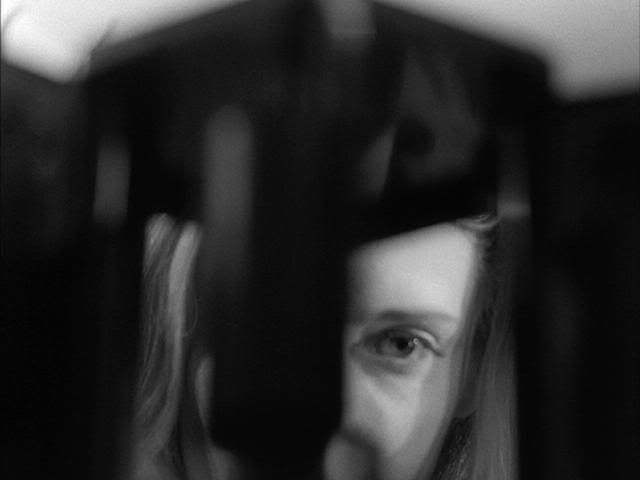
9. Breaking the Waves (1996, Lars Von Trier)
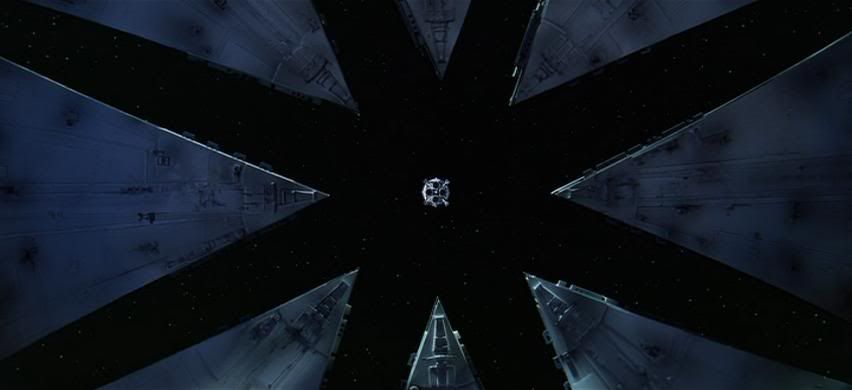
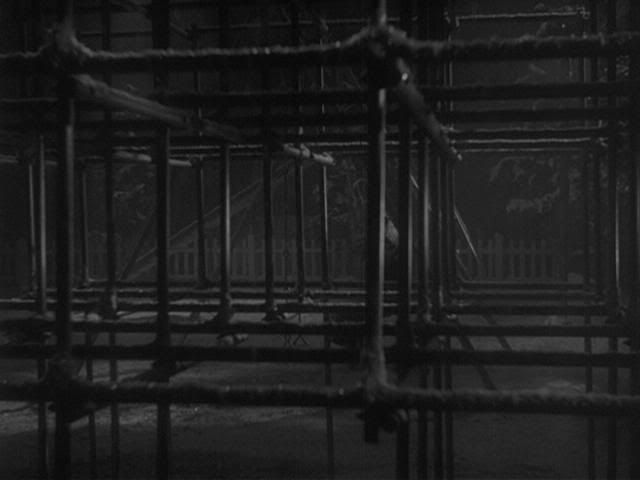
2. Ikiru (1952, Akira Kurosawa)
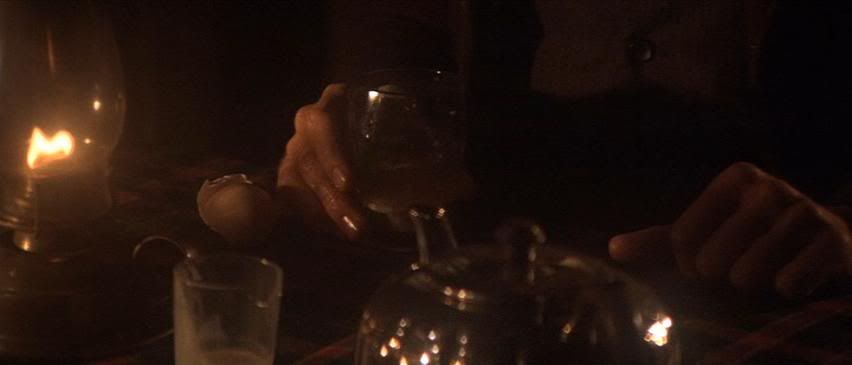
3. McCabe and Mrs. Miller (1971, Robert Altman)
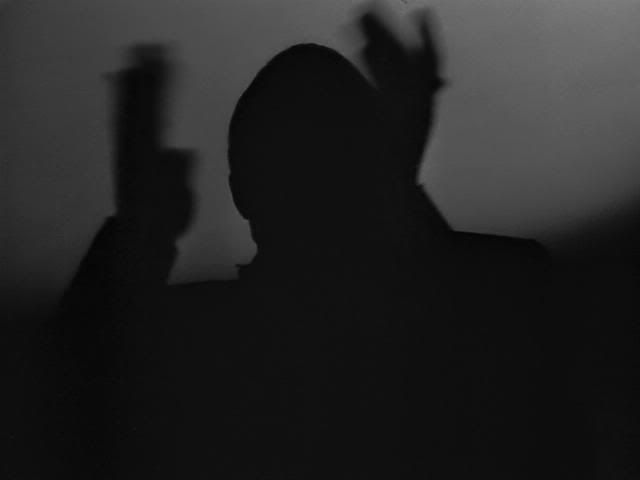
4. Citizen Kane (1941, Orson Welles)
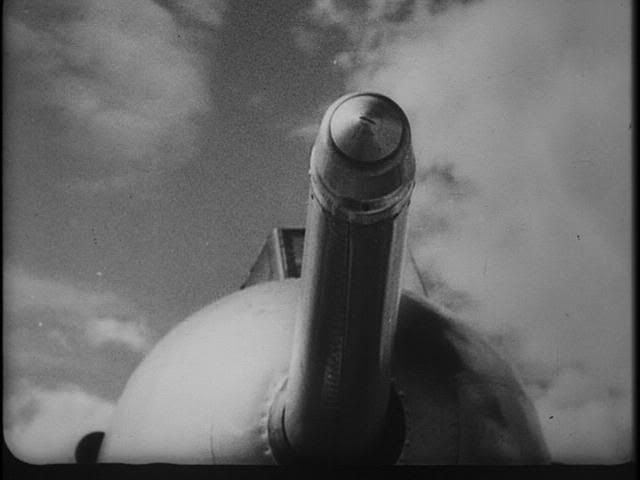
5. Dr. Strangelove, or: How I Learned to Stop Worrying and Love the Bomb (1964, Stanley Kubrick)

6. Aguirre, the Wrath of God (1972, Werner Herzog)
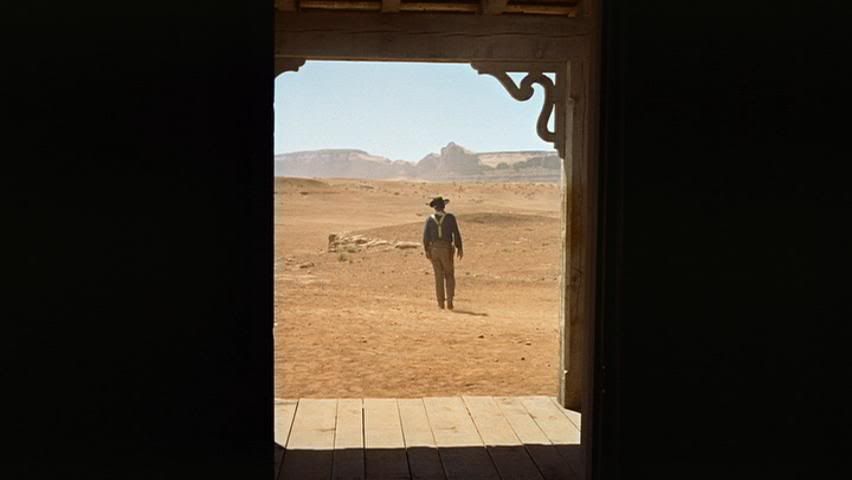
7. The Searchers (1954, John Ford)
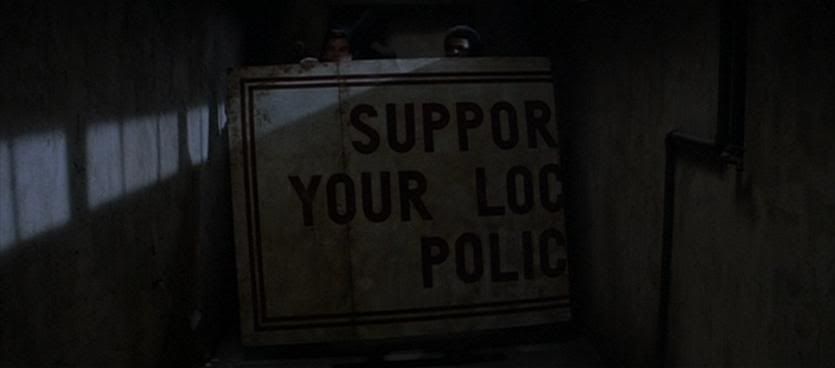
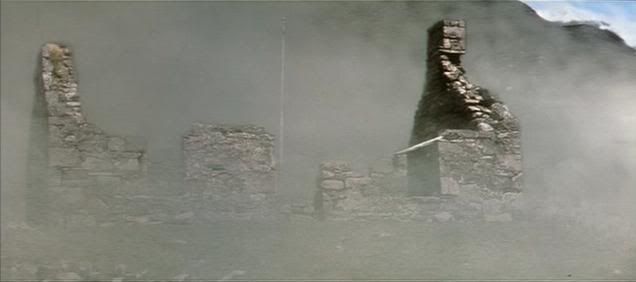
9. Breaking the Waves (1996, Lars Von Trier)
Subscribe to:
Posts (Atom)